
This is the final in a three-part series about how I engineered a better life for myself. Part 1 (here) focused on self-reflection and building an emotional foundation. In Part 2 (here) I chose what to build on top of it. You should read those first, if you haven’t already.
Now it was time to get it done. Here’s what I did (or more accurately, am doing), step by step. Plus a bonus picture of a non-work life goal (ukulele and bow tie included).
And as before, see below for the third accompanying worksheet so you can try it for yourself.
Step 8: Flipped the script on my value
Despite my earlier misgivings, I was diving into becoming a life coach. There was just one problem: I didn’t know why anyone would hire me over someone else in the market. What could I offer that others couldn’t?
The answer: Others weren’t me. I have certain strengths, weaknesses, points of view, opinions, and lived experiences. They would resonate with some people and not with others. That wasn’t a flaw; it was the whole point. I would be most successful when people connected authentically with who I was and what I’d been through. This was exactly the work I’d done in parts 1 and 2.
That’s the promise of Life Engineering: helping clients achieve their life goals with the same tools used in engineering, finance, and business.
The other differentiator turned a perceived weakness into a strength. I’ve had several careers, with one throughline among them: I’m a generalist, with a love of data. My power wasn’t excelling in any one field; it was my curiosity about many things and my ability to connect dots. Life is multifaceted, different people need different things, and my generalist life experience was an asset. Coming in with a diverse toolkit, not a cookie-cutter approach, was both authentic and appropriate.
As for my special flavor of coaching, I settled on Life Engineering. I’m wired like an engineer: breaking down problems and designing pragmatic data-driven solutions. That’s the promise of Life Engineering: helping clients achieve their life goals with the same tools used in engineering, finance, and business: dashboards, indicators of progress, and project plans. You know… the 6th love language.
Takeaway: Your edge is about being authentically you.
Try this: List a time someone thanked you for something that felt like second nature to you. What does that reveal?
Step 9: Planned enough to get started
With my product concept complete, it was time to execute. I’m trained as a project manager, so I created a plan for myself. Most people settle for vague goals like “get healthier” or “save more”. I wanted to get more tactical, because that’s what would drive results.
To make the plan, I started with the end in mind. I imagined the final step: I’ve reached my goal. It feels great! So what did reaching my goal mean exactly, what was still left, when did I do it, how did I know I’d accomplished it, and what emotions did I feel? I wrote all that down in detail.
Then I imagined the major step just before that one and repeated the exercise. I repeated this until I worked my way back to the start (technically a workback plan).
With this, I had a rough roadmap to reach my goal. Iterating on it a few times gave me a pretty solid plan with key tasks, timelines, and milestones. I knew I’d have to adjust my plan once I started going, but getting started was key. And I’m now working that plan. Is there a line in my Gantt chart to track my emotions? I’ll never tell.
Oh and this wasn’t just about professional goals. I set personal ones too. I decided to learn Spanish in anticipation of a big upcoming trip, and to learn the ukulele for a family wedding. More on that below.
Takeaway: Systems separate goals from dreams. An imperfect plan that gets you started is better than the perfect plan that never happens.
Try this: Imagine you’ve reached your goal. What was the final step you took to get there?
Step 10: Settled in for the ride
I had to prepare myself for the inevitable emotional ups and downs. The losses before the wins. The look-in-the-mirror days when I’d wonder if I’d made a huge mistake.
The goal was set, and the plan was drafted. There was one thing left to do. And this was more a mental exercise than anything else.
I had to prepare myself for the inevitable emotional ups and downs. The losses before the wins. The look-in-the-mirror days when I’d wonder if I’d made a huge mistake. This wasn’t about money or calendars. This was about making a pact with myself that I was giving myself time to work the plan. Time to fall down and get back up. Repeatedly.
I used a few tools: I wrote a note to myself to read on days when things got hard, reminding myself why I was doing this. I found cheerleaders in my life. I built as many buffers as I could between small inevitable disappointments and giving up completely. I stocked up on snacks. So many snacks.
And on days when I truly felt I’d lost my way, I reminded myself of how awful it felt when the startup shut down and I had no exciting options. If I wanted the grass to be greener on this side, I had to water it myself.
Takeaway: Success will require staying power and grit. More than tasks, build setbacks and resilience into your plans.
Try this: Write down one sentence (make it real, personal, and raw) to read when you’re ready to quit.
Bonus mini-step: Celebrated the wins
Celebrating small wins is important because accomplishments have momentum. Marking progress, even in a small way, reinforces the positive feedback loop. I build small rituals of celebration into my clients’ plans too.
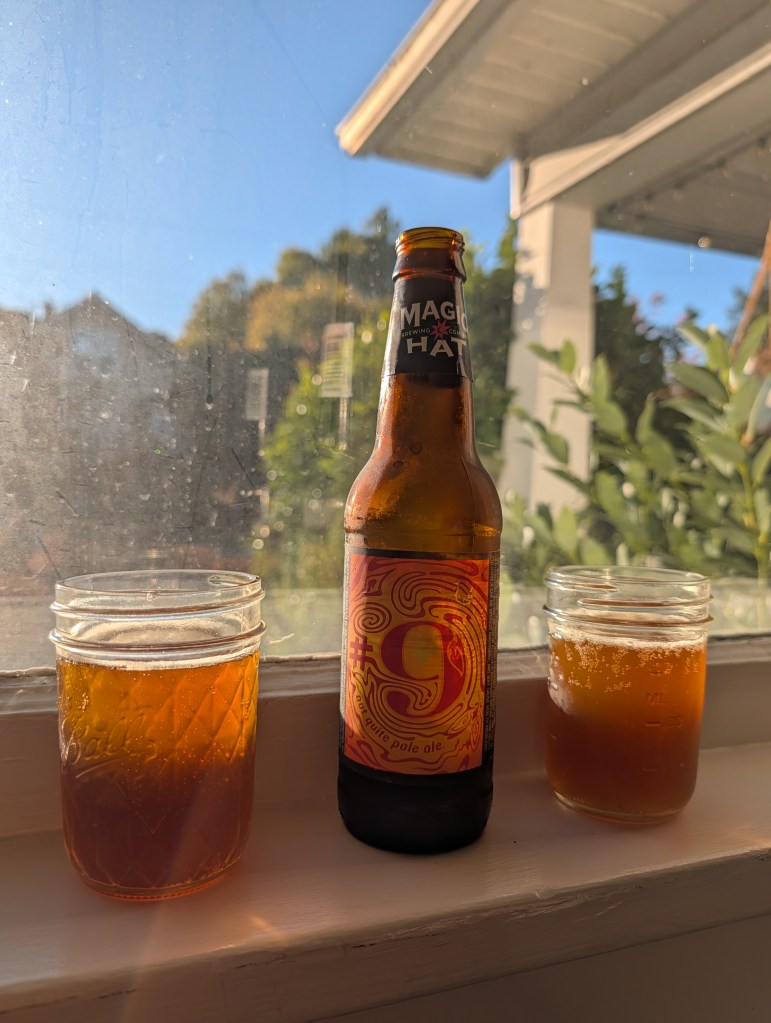
Here’s one example: When I lived in New York City, I used to enjoy Magic Hat #9, a beer I’ve rarely found anywhere else. I had one last bottle saved, which I opened as I finished this final post in the series. This is especially bittersweet since the brewery has since stopped making this beer. Tastes like nostalgia.
Takeaway: Celebration is fuel, not a luxury.
Try this: Share one small win from the past week with someone who will cheer you on.
Part 3 wrap-up
This wraps up my three-part series on reinventing myself. I’m now solidly in step 10: settled in for the ride, and working the plan. Here’s what my dashboard looked like when I started vs. now:
| Dimension | When I started | Now |
| Health | Good overall, but blood work flagged some risks. | After months of hard work, blood work looks great. |
| Finances | Enough runway to do some experiments. | Eating into the runway, but enough left to keep going. |
| Key relationships | Important ones slipping. | Rekindling important relationships, one conversation at a time. |
| Career | Time constrained to 20-25 hours/week, max. | Unchanged. Fitting career goals into that constraint is hard, but worth it. This is my biggest challenge. |
| Professional leadership | Desire to help others grow and feel fulfilled. | Life Engineering to satisfy that desire. |
This is my story, but my goal is to remind you that this is possible for everyone. Whether you’re living your life on autopilot or looking for a fresh start following a big life event, it’s never too late to become more mindful. If you or someone you know needs help engineering a better life for themselves, that’s exactly what I do.
Thanks for reading my posts and the continued support along my journey.
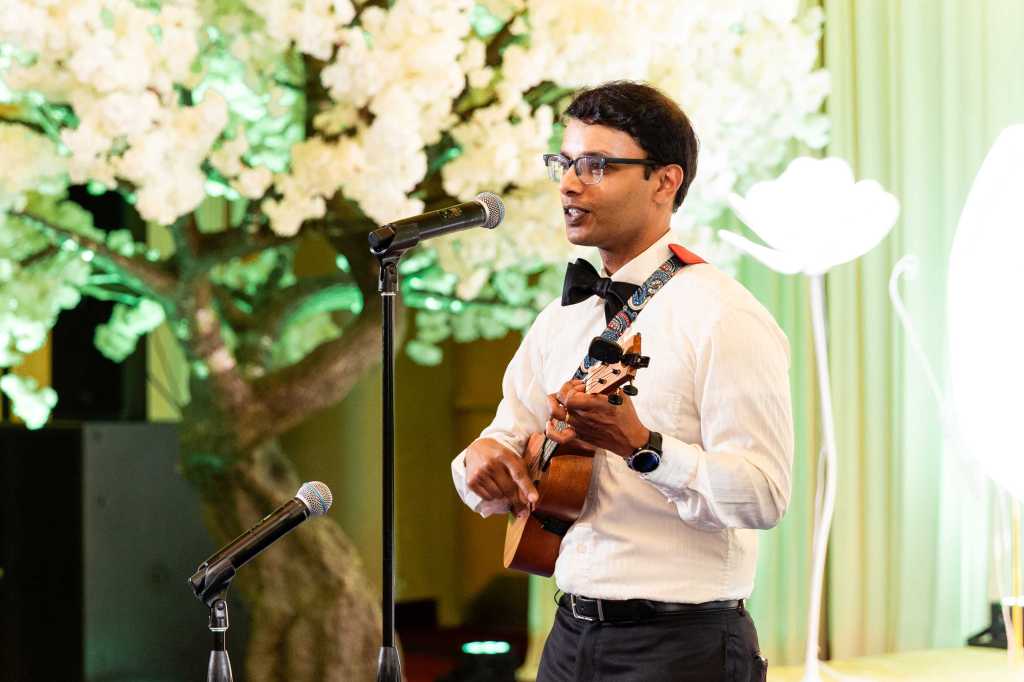
And yes, I did learn the ukulele. Here’s me performing a song I wrote live at my sister’s wedding. It was everything I’d hoped it would be.
If you’re ready to turn designs into reality, download this worksheet for part 3, and tell me what you’re working on.

 Your Life Engineer
Leave a comment